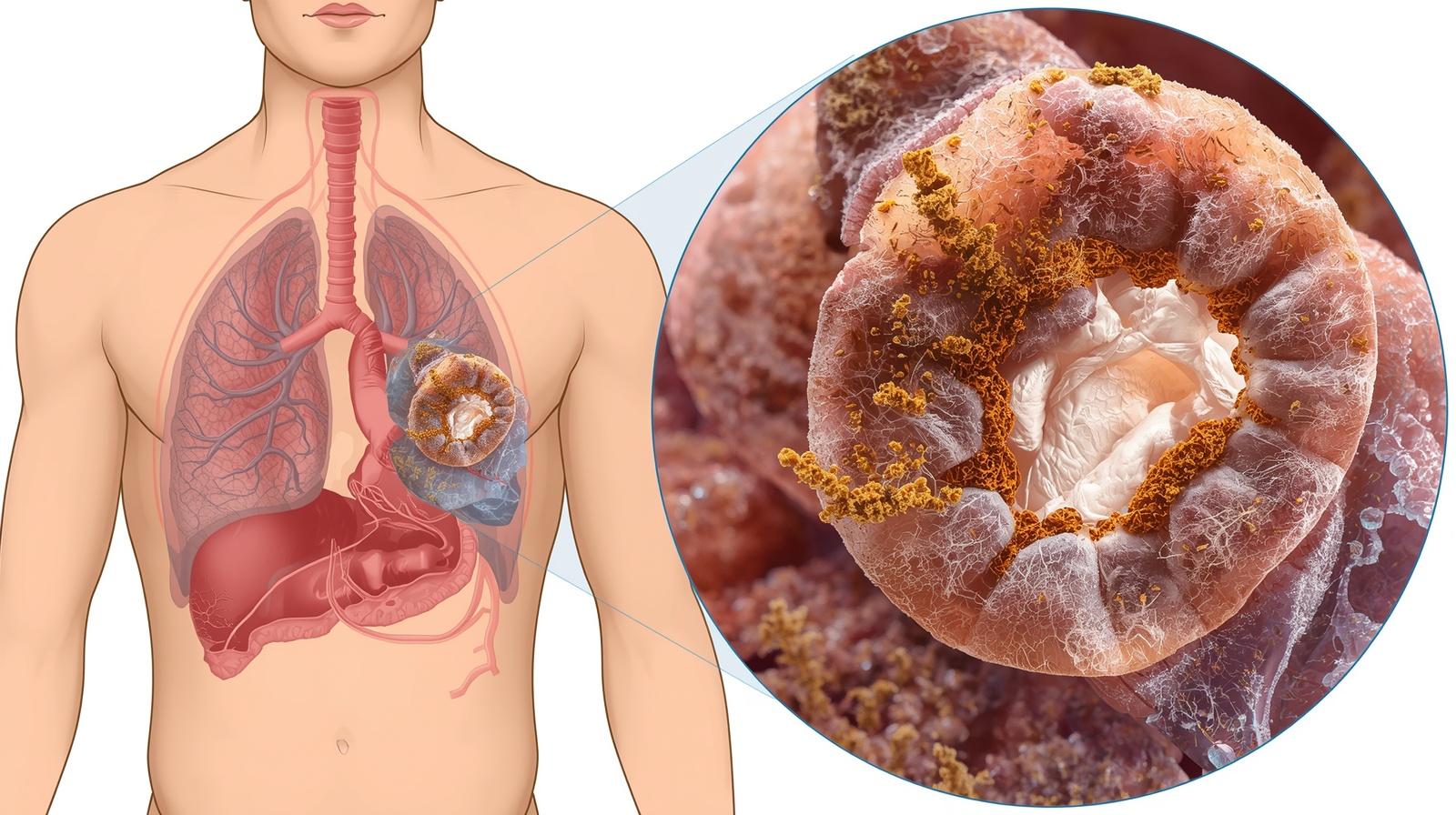
Why Veterans are at the Highest Risk
It is a sobering statistic: veterans make up roughly 30% of all mesothelioma cases in the United States.
This isn’t a coincidence. From the 1930s through the late 1970s, the military relied heavily on asbestos for its fireproofing and heat-insulation properties.
Exposure by Branch
- The Navy: By far the highest risk. Asbestos was packed into almost every square inch of ships—boilers, turbines, valves, and miles of pipe insulation. In the tight, poorly ventilated quarters below deck, sailors inhaled concentrated fibers daily.
- The Army & Marines: Exposure typically occurred in barracks, motor pools (brake pads and clutches), and during the maintenance of armored vehicles and transport ships.
- The Air Force: Mechanics were exposed while working on aircraft heat shields, gaskets, and engine insulation.

Two Paths to Compensation: VA vs. Legal
Most veterans don’t realize they can—and often should—pursue both VA benefits and legal claims simultaneously. One does not cancel out the other.
1. VA Disability Benefits (The Federal Path)
As of 2026, the VA recognizes mesothelioma as a service-connected disability if you can prove your exposure happened during active duty.
- 100% Disability Rating: The VA almost always grants a 100% rating for mesothelioma.
- Monthly Payouts: For 2026, a single veteran can receive approximately $3,938 per month, while a married veteran may receive upwards of $4,158 per month.
- Special Monthly Compensation (SMC): If you require “Aid and Attendance” (help with daily tasks like dressing or eating), you may be eligible for additional tax-free payments.

2. Legal Claims (The Manufacturer Path)
Crucially, these claims are not filed against the military or the government. Instead, they target the private companies that manufactured and sold asbestos products to the military while knowing the health risks.
- Asbestos Trust Funds: Over $30 billion is currently held in trusts. These are designed for “quick” payouts (often within 90 days) from companies that have filed for bankruptcy.
- Mesothelioma Lawsuits: For companies still in business, a lawsuit can result in significant settlements, often averaging between $1 million and $2 million.
How to Build a “Bulletproof” Claim in 2026
The VA and the courts require more than just a diagnosis; they need a “nexus”—a clear link between your service and your illness.
Step 1: Gather Service Records
You will need your DD-214 and any records showing your MOS (Military Occupational Specialty). The VA looks for specific jobs known for high exposure, such as Boiler Technician, Pipefitter, or Engine Room Mechanic.
Step 2: The “Nexus Letter”
This is a formal statement from your doctor. In 2026, the standard remains that your doctor must state it is “at least as likely as not” that your military asbestos exposure caused your current condition.
Step 3: Write an Exposure Summary
This is a personal narrative. You need to detail where you were stationed, which ships you served on, and specifically how you interacted with asbestos (e.g., “I spent four hours a day scraping old gaskets in the engine room of the USS Nimitz”).
Common Hurdles (And How to Jump Them)
- The Latency Gap: Mesothelioma takes 20 to 50 years to appear. The VA knows this. Don’t let the passage of time discourage you from filing.
- Secondary Exposure: If you weren’t a mechanic but lived in barracks with crumbling ceiling tiles, you are still eligible.
- Dishonorable Discharge: Generally, you must have an “Other Than Dishonorable” discharge to qualify for VA benefits, though legal trust fund claims may still be an option regardless of discharge status.
Don’t Go It Alone
Navigating the bureaucracy while dealing with a serious illness is exhausting. In 2026, there are more resources than ever, from VA-accredited claims agents to specialized law firms that work solely with veterans. Most of these professionals work on a contingency basis, meaning they only get paid if you win your case.
Leave a Reply